The Ultimate Guide to Crochet Yarn Types + Mistakes to Avoid
This post includes affiliate links.
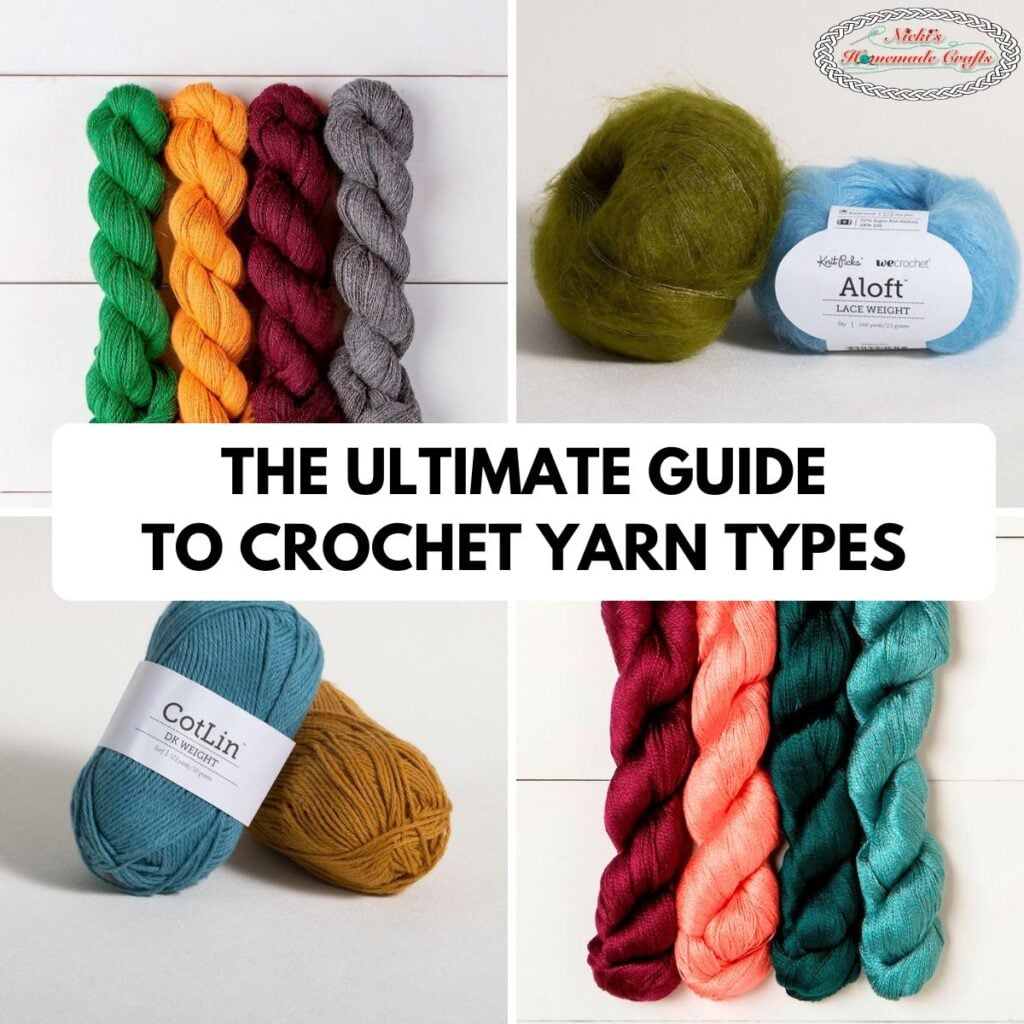
There are so many crochet yarn types to choose from, but what’s the difference between them? Which one is the best choice for your next project? Find out the answer to these questions and more!
Standing in front of a wall of yarn at the store, it’s easy to feel like a kid in a candy store. Cotton, acrylic, wool, bamboo, blends…and don’t even get me started on all the color options.
It’s exciting, but also a tiny bit overwhelming, especially as a crochet beginner. If you’ve ever picked a yarn just because it looked pretty and then realized halfway through your project that it wasn’t the best choice, you’re definitely not alone.
The truth is, the yarn you choose can completely change how your crochet project turns out.
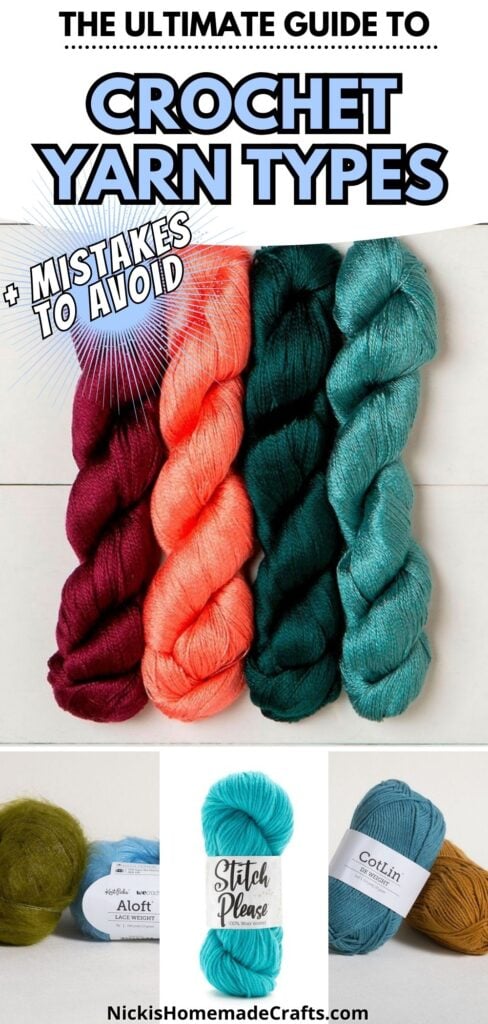
Some yarns are soft and cozy, perfect for blankets and wearables. Others are sturdy and structured, which makes them ideal for things like bags, baskets, or home decor.
Understanding the different types of yarn and what they’re best suited for can make the whole crochet process smoother and way more enjoyable.
In this guide, we’ll walk through the most common types of yarn you can crochet with, how to choose the right one for your project, and a few common mistakes crocheters make when selecting yarn (so you can avoid them!).
Whether you’re brand new to crochet or just looking to make more confident yarn choices, this will help you pick the perfect skein for your next project.
More Tips and Tricks
Did you know I have more than 900+ Crochet Tips compiled ad-free in one easy PDF with loads of videos? YES! Cause I understand trying to perfect crocheting can be challenging. But knowledge is power, so learning it, without wasting time scrolling through the internet, is important. Get this entire collection now below.
The Crochet Club
This tutorial is also part of the popular “The Crochet Club” which hosts over 600 ad-free patterns with check-off boxes as well as a vault of videos, plus weekly new tutorials and patterns as well as twice-a-month virtual meetups.
Crochet Yarn Types: Animal Fibers
Yarn creates fabric, when crocheted, that shows off different stitch definitions, elasticity and drape. If you looked at yarns made from animal fibers through a microscope, you would see what look like overlapping scales.
This overlapping construction creates serious insulation so your project will turn out extra cozy. These yarns are perfect for things like blankets and sweaters.
Baa Baa Black Sheep, Have You Any Wool?
- Absorbs moisture, insulates well
- Takes dye nicely
- Breathable, biodegradable, sustainable
- Natural elasticity
- Best for socks, hats and warm crochet projects
- Can be scratchy if wool is poor quality or not processed well
- Requires care in washing or it will felt or shrink
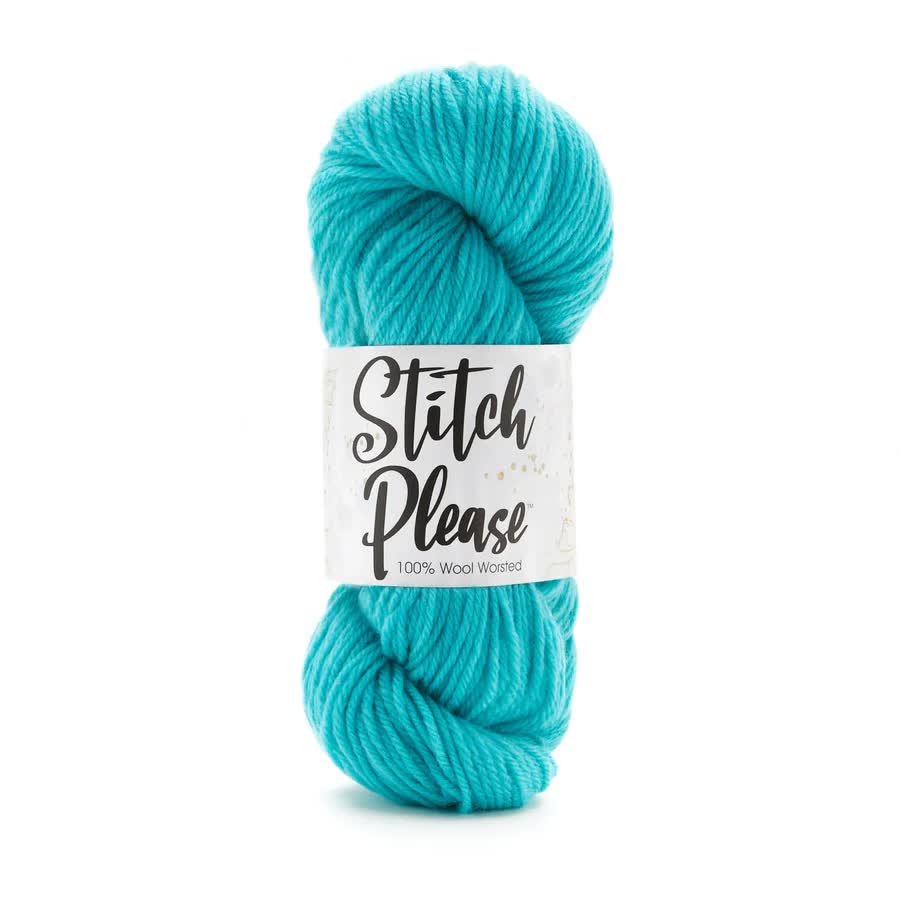
Mistakes to Avoid: There are two types of wool – superwash and non. The superwash yarn resists felting and shrinking. But sometimes you want your project to felt to close the gaps between stitches.
That’s where non-superwash wool like Stitch Please from Premier Yarns comes in.
What Do You Call It When an Alpaca Sings? Alpacapella!
- Warmer and insulates better than wool
- Drapes beautifully
- Fibers are larger than wool, so they are less likely to felt
- Takes dye well and also has great elasticity
You used to only be able to get alpaca yarn in fancy little yarn stores (and it cost a pretty penny too!) but now you can find affordable skeins of 100% Baby Alpaca yarn from WeCrochet.
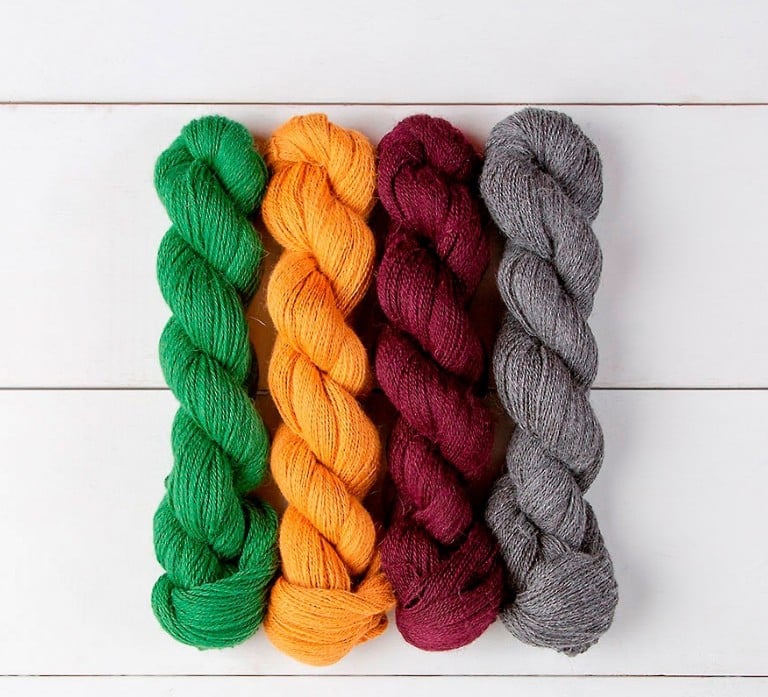
Cashmere, Mohair and Silk, Oh My!
Cashmere:
- Warm, soft, luxury fibers
- Shorter fibers than wool, so more delicate
- often blended with other fibers to add strength and durability
Mistakes to Avoid: Paying full price for this luxurious yarn! If you can find a cashmere sweater at the thrift store, you can unravel it to reap the rewards for your next project. Learn more about Unraveling Thrifted Sweaters here.
Mohair:
- Produced by goats
- Warm, lightweight and strong
- Not very elastic
- Can be drapey depending on how it’s processed
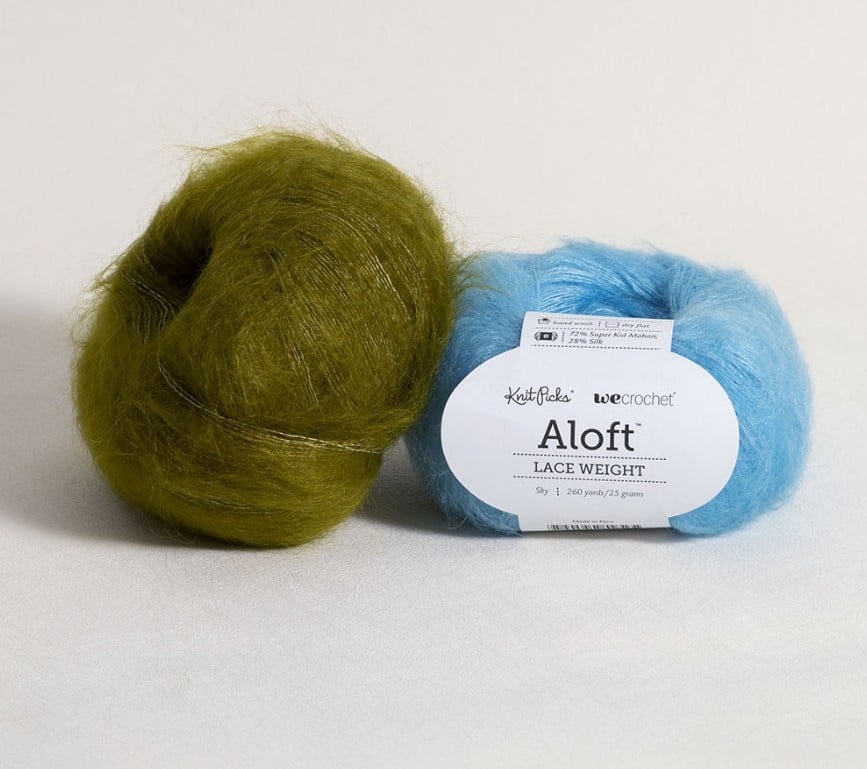
A little mohair goes a long way, so it’s common to see crochet yarn types that feature a mix of mohair and another fiber, like this luscious Mohair + Silk Blend yarn from WeCrochet.
Silk:
- Comes from silkworms
- Excellent drape
- Dyes very well
- Non-stretchable and strong
- Slippery on crochet hooks
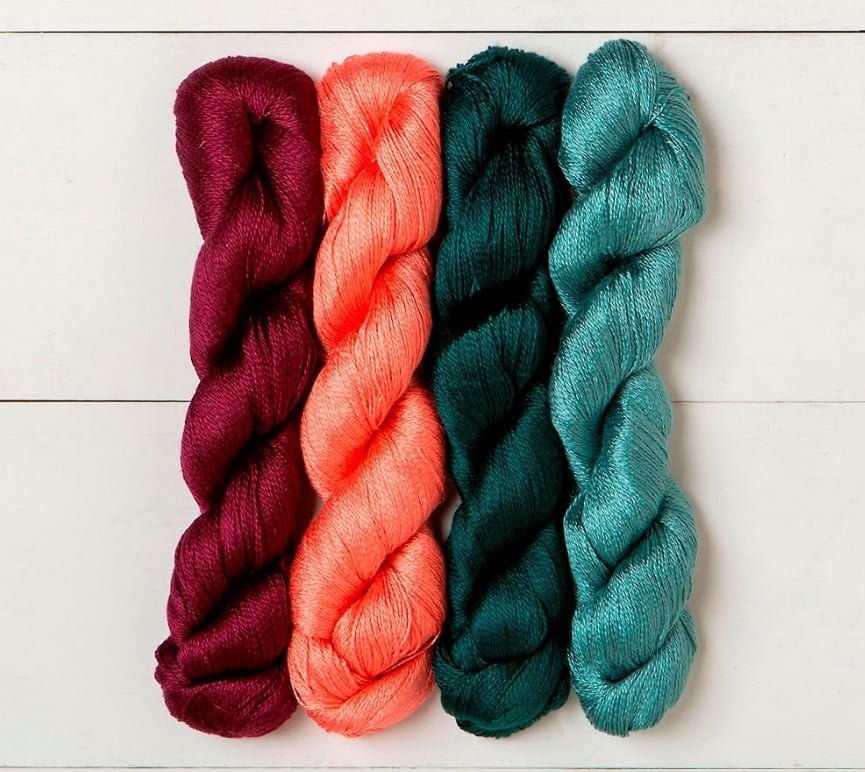
Just like a nice silk blouse, crochet yarn types with silk are mesmerizingly shiny and soft. You’ll find yourself reaching for this Luminance Lace Silk Yarn from WeCrochet every chance you get.
Crochet Yarn Types: Plant Fibers
Plant fibers don’t have overlapping scales like animal fibers which makes them less insulating and creates a cooling effect instead. This is excellent news for summer wearables.
They absorb water well, don’t felt, and they don’t attract moths, but they can attract mold and mildew. So always be sure to store them somewhere dry or in a waterproof tote!
Where Did You Come From? Where Did You Go Cotton Eye Joe?
- Breathable, hypoallergenic, less expensive than animal fibers
- Biodegradable and takes dye well
- Very soft
- Mercerized cotton has a special chemical that makes it shinier and stronger
- Pima cotton has longer and stronger fibers
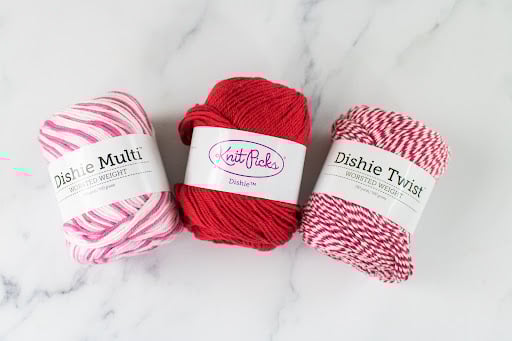
For a hard-wearing projects like dish cloths and trivets, you can’t go wrong with Dishie cotton yarn from WeCrochet.
Fallen Out of Love with Cotton? It Might Be Your Technique!
Cotton is great for many projects, especially washcloths. But there are a few things that are important to know about this yarn fiber.
- It’s durable, but not stretchy
- If you wet a cotton project and hang it, it will not keep its shape and look sad and droopy and often cannot be reversed.
- To keep shape the best, use textured stitches
- For better drape (e.g. for garments), use a blend of cotton plus a different fiber such as wool
- Best to steam block cotton, not wet block (unless it’s made to be used with water)
- If cotton yarn is rough, wash it a few times and it gets really soft
- Cotton can be slippery, pick your hooks wisely (although Bamboo can be more slippery than Cotton)
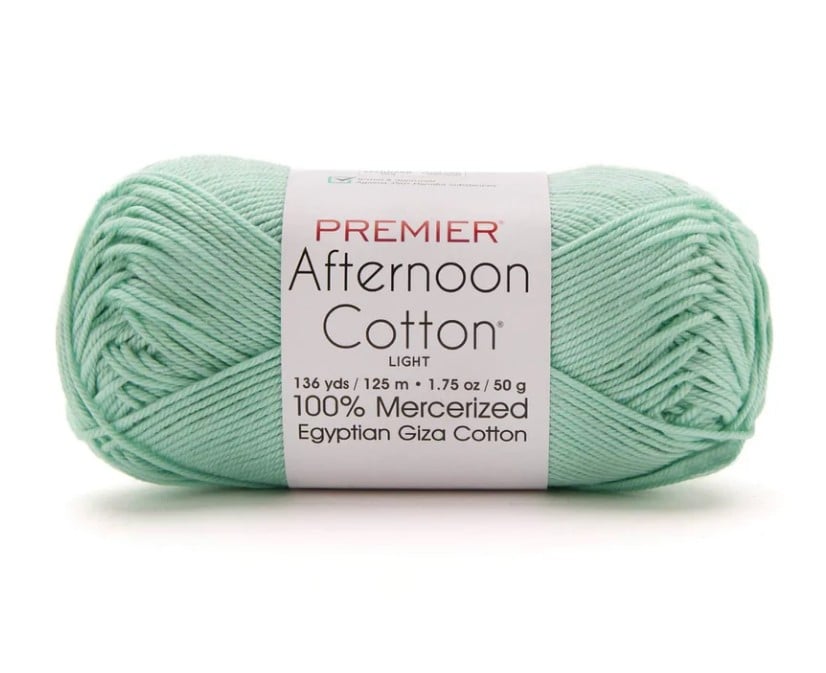
The nicest crochet yarn types made with cotton are mercerized. This special process yields a yarn that’s much softer than your average skein of cotton without sacrificing sturdiness.
Choices like Afternoon Cotton from Premier Yarns are your best bet for warm weather garments.
Feeling Fine with Linen
Linen:
- Made from flax plant
- Is known for its strength and durability
- Lasts a very long time
- Cool to wear and hypoallergenic
- Non-stretchable, like cotton
- Ideal for market bags, and washcloths
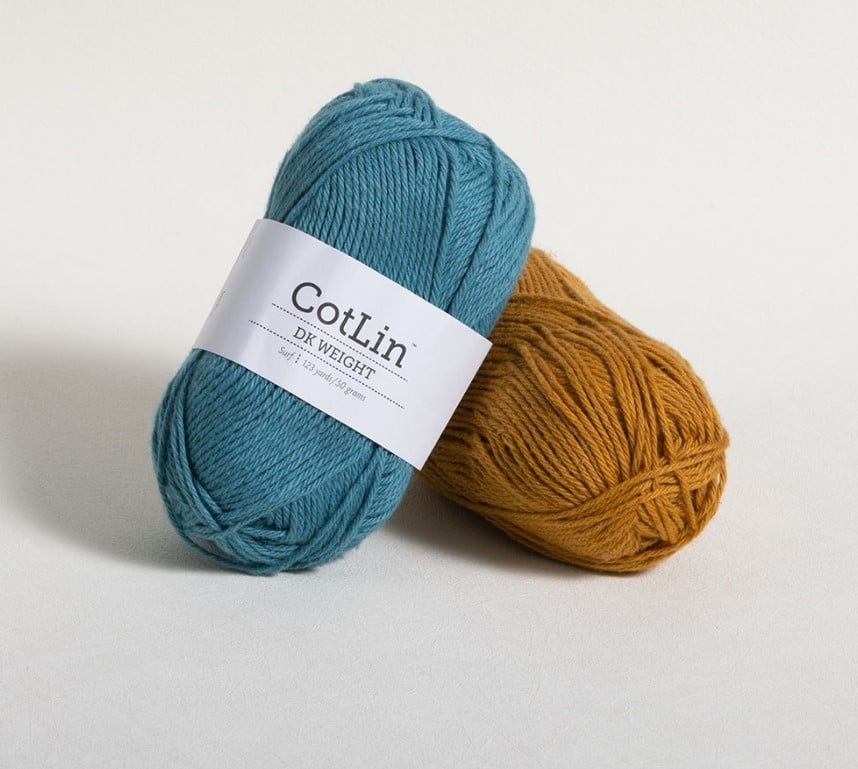
It’s common to see cotton and linen fibers blended together, because they go together like peanut butter and jelly. See for yourself with WeCrochet CotLin yarn.
Crochet Yarn Types – Synthetics
These are human made mineral yarns and can be used for many things such as baby blankets. They are very inexpensive, easy to make, and dye. They need to be blocked by steaming and can melt when exposed to heat. But they won’t mold ever.
- Nylon
- Acrylic
- Polyester
- Elastic
- Polypropylene
Mistakes to Avoid: Throwing away your plastic shopping bags! Plarn (made out of leftover grocery bags cut-up into 1 inch rows (don’t use handle and bag bottom) and then looped into each other to make long strings of yarn)
Learn How to Make Plarn here.
Crochet Yarn Types: Ply Considerations
You know what they say, if at first you don’t succeed, ply ply again!
Most yarn is made up of 2 or more strands that are twisted which then determines whether they are 2-ply, 3-ply, etc yarn.The more ply the yarn has, the stronger it gets. Non processed/spun yarn is called roving yarn.
There is also ply-on-ply yarn where plied yarn twisted together create cables which are even stronger, balanced, and durable.
Furthermore, we also have untraditional yarn such as faux fur, novelty yarn, and extruded yarn.
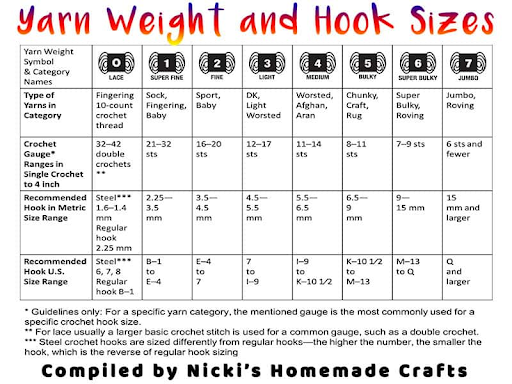
Plied yarn can be dyed in solid, multi-color, ombre, and gradient yarn. Yarn can be distinguished by its thickness which depends on how much ply each strand of yarn has.
There is an awesome tool and method you can use to measure the thickness of yarn – in case you lost the label of a specific yarn ball.
That technique is called “wraps per inch”. It’s best to use a wooden ruler or this Yarn Weight Measuring Tool by WeCrochet to measure how many wraps of yarn can fit in an inch.
Learn How to Measure Wraps Per Inch here.
Crochet Yarn Types: The Inside Scoop on Yarn Secrets
Want to learn even more about yarn? Check out my video: Surprising and Unique Yarn Facts
Subscribe to my Youtube Channel here:
[youtube-subscriber channelID=”UCSI4OeQQnxVQEAwMGeTCn1Q” layout=”full” subscribers=”default”]
I hope you love this article about all the different crochet yarn types. If you love learning about the science behind yarn and crocheting, please use the social media share buttons above or below and share this pattern link with the world and your friends.
That way, you will find it easily again when you need it, and you also provide the world and your friends with the ability to gain extra crochet knowledge as well. And to top it off, you help me as it allows me to create more content that you love already and want to see more of – free crochet patterns and tutorials. So, thank you for sharing.
More Free Crochet Guides
If you liked this crochet yarn types guide, you might also like to try one of these:
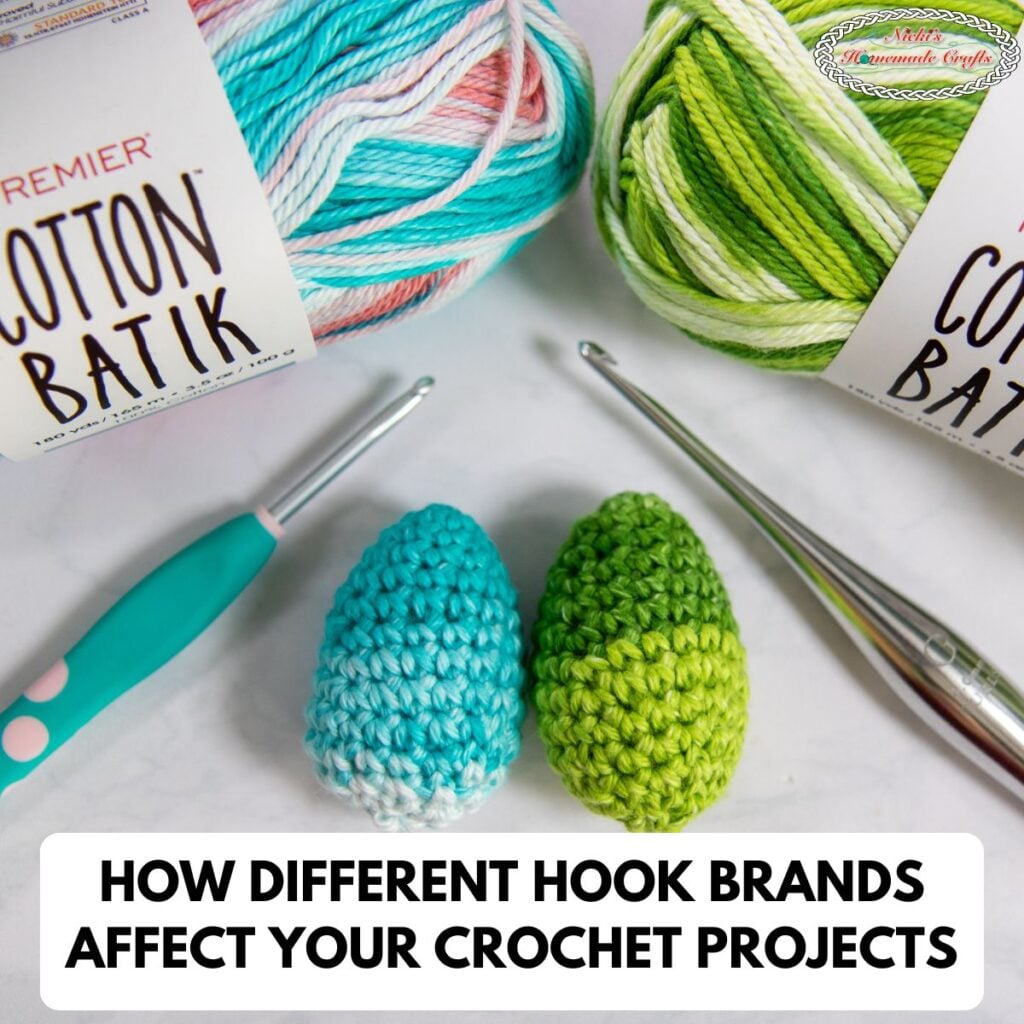


- How Different Hook Brands Can Change the Way You Crochet
- Why Does Yarn Split? S Twist vs Z Twist
- Test Your Crochet Knowledge with a Fun Quiz!
- 3D Crochet Stitches Demystified
If you love my crochet patterns and the way I teach, I would suggest subscribing to my newsletter below as I share new patterns, tutorials and special announcements often.
Does getting 8 Crochet Secret Tips delivered straight into your inbox sound like something you would find useful? If so, sign up for my crochet newsletter below. I send out a weekly newsletter packed full of crochet patterns and tutorials.